
Cataract is one of the most common eye conditions, especially in people over the age of 40. It develops gradually when the natural lens of the eye becomes cloudy, leading to blurred or reduced vision. Since the progression is slow, many people do not realize they have cataract until it starts interfering with daily activities like reading, driving, or recognizing faces. That’s why early and accurate diagnosis is very important to protect your eyesight and plan the right treatment at the right time.
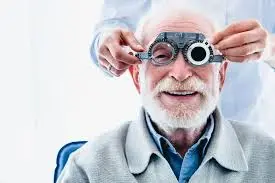
Table of Contents
🔍 What Happens During Cataract Diagnosis?
Cataract diagnosis is a simple, painless, and quick process performed by an eye specialist (ophthalmologist). The doctor uses a combination of vision tests and advanced eye examinations to check the clarity of your lens and overall eye health.
The goal of diagnosis is not only to confirm cataract but also to:
- Determine its type and severity
- Check how much it is affecting vision
- Identify any other eye problems
- Decide whether surgery is needed or not
👁️ 1. Visual Acuity Test (Eye Chart Test)
This is usually the first step in diagnosing cataract. In this test, you are asked to read letters from an eye chart (Snellen chart) placed at a specific distance.
👉 What it checks:
- Sharpness of your vision
- Ability to see clearly at different distances
If you have cataract, your vision may appear blurry or dim, and you may find it difficult to read smaller letters. Even with glasses, vision may not improve significantly, which is a strong indication of lens opacity.
🔦 2. Slit-Lamp Examination
A slit lamp is a special microscope that allows the doctor to examine your eye under high magnification. A bright light is focused into your eye to clearly view different structures.
👉 This test helps the doctor:
- Detect clouding in the lens
- Identify the type of cataract (nuclear, cortical, or posterior subcapsular)
- Assess the severity and exact location of the cataract
This is one of the most important tests because it gives a detailed view of how much the cataract has progressed.
💧 3. Dilated Eye Examination
In this procedure, special eye drops are used to widen (dilate) your pupils. This allows the doctor to see the inside of your eye more clearly.
👉 Why it is important:
- Provides a better view of the lens and retina
- Helps confirm the presence of cataract
- Detects other eye conditions like retinal diseases or optic nerve problems
After dilation, your vision may remain blurred for a few hours, and you may become sensitive to light, which is completely normal.
💡 4. Tonometry (Eye Pressure Test)
Tonometry measures the pressure inside your eye (intraocular pressure).
👉 This test is important because:
- It helps detect glaucoma, which can occur along with cataract
- Ensures your eye pressure is within a safe range before any surgery
There are different methods of tonometry, but most are quick and cause little to no discomfort.
📷 5. Retinal Examination
Once your pupils are dilated, the doctor carefully examines the retina (the light-sensitive tissue at the back of your eye).
👉 This step ensures:
- Your retina is healthy
- There are no underlying issues like diabetic retinopathy or macular degeneration
- Better planning for cataract surgery and expected visual outcomes
A healthy retina is essential for good vision after cataract removal.
🧠 6. Additional Tests (If Required)
In some advanced or complicated cases, additional tests may be recommended to get more detailed information.
👉 Ultrasound (B-Scan)
- Used when the cataract is very dense and blocks the view of the retina
- Helps detect any hidden problems behind the lens
👉 Biometry (Eye Measurement Test)
- Measures the size and shape of your eye
- Helps calculate the correct power of the intraocular lens (IOL) that will be implanted during surgery
👉 Optical Coherence Tomography (OCT)
- Provides detailed images of the retina
- Useful for detecting macular problems before surgery
⚠️ Signs That You Should Get Tested
You should not wait for severe vision loss. Visit an eye specialist if you notice any of the following symptoms:
- Blurry or cloudy vision
- Difficulty seeing at night
- Sensitivity to bright lights or glare
- Seeing halos around lights
- Colors appearing faded or yellowish
- Frequent changes in glasses prescription
- Double vision in one eye
Early diagnosis can prevent complications and make treatment easier and more effective.
🕒 How Often Should You Get Your Eyes Checked?
- Adults over 40: Every 1–2 years
- People with diabetes or eye conditions: As advised by doctor
- If symptoms appear: Immediate checkup
Regular eye exams are the best way to detect cataract early, even before noticeable symptoms begin.
✅ When is Cataract Surgery Recommended?
Diagnosis also helps determine whether you need surgery. Cataract surgery is usually recommended when:
- Vision loss affects daily activities
- Glasses no longer improve vision
- Cataract interferes with work or driving
- Other eye diseases require clear lens access
Modern cataract surgery is safe, quick, and highly effective, with a very high success rate.
🔚 Conclusion
Cataract diagnosis involves a series of simple, painless, and highly effective tests that help detect the condition early and accurately. From basic vision testing to advanced imaging, each step plays an important role in understanding the condition of your eyes.
Regular eye checkups are essential, especially as you age. Early detection not only protects your vision but also ensures better outcomes if surgery becomes necessary.
👉 If you are experiencing any symptoms of cataract, do not ignore them. Consult a qualified eye specialist as soon as possible and take the first step toward clearer vision.
👉If you are looking for professional treatment, check our detailed guide on Cataract Treatment in Bahawalpur: