
Cataract is one of the most common eye conditions worldwide, especially among older adults. It occurs when the natural lens of the eye becomes cloudy, leading to blurred or dim vision. Many people ignore early symptoms, thinking it’s just a normal part of aging. However, leaving cataract untreated can lead to serious vision problems and even permanent blindness in severe cases.
In this article, we’ll explain what happens if cataract is not treated, its progression, and why early diagnosis and treatment are essential for maintaining good eye health.
👁️ What is Cataract?
A cataract forms when proteins in the eye’s natural lens break down and clump together, creating a cloudy area that affects vision. Normally, the lens is clear and helps focus light onto the retina. When cataract develops, this process becomes disturbed.
Cataracts usually develop slowly and may not be noticeable in the early stages. However, over time, they can significantly affect your ability to see clearly.
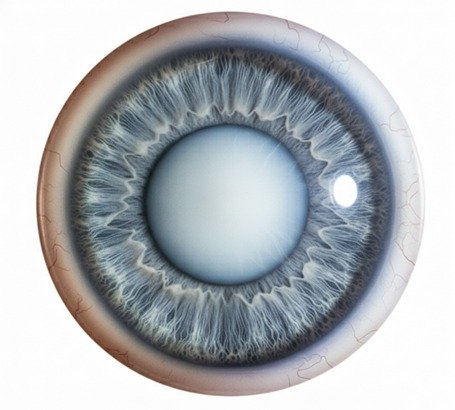
Table of Contents
⚠️ What Happens If Cataract is Left Untreated?
If a cataract is not treated, it will continue to grow and worsen over time. Here are the major consequences:
1. Progressive Vision Loss
The most obvious effect is gradual vision loss. In the beginning, you may only notice slight blurriness or difficulty seeing at night. As the cataract progresses:
- Vision becomes more cloudy and dull
- Reading and recognizing faces becomes difficult
- You may feel like looking through a foggy window
Eventually, untreated cataract can lead to severe visual impairment.
2. Difficulty in Daily Activities
As vision worsens, everyday tasks become challenging:
- Driving becomes dangerous, especially at night
- Reading books or mobile screens becomes difficult
- Watching TV or recognizing people becomes hard
- Cooking, cleaning, and other routine tasks become unsafe
This significantly affects independence and quality of life.
3. Increased Risk of Falls and Accidents
Poor vision due to cataract increases the risk of:
- Slips and falls
- Road accidents
- Injuries at home or workplace
Older adults are especially at higher risk because balance and vision are both affected.
4. Color Vision Problems
Cataracts can make colors appear faded or yellowish. Over time:
- Colors lose their brightness
- It becomes hard to distinguish between similar shades
- Vision may appear dull and less vibrant
This happens because the cloudy lens blocks and distorts light entering the eye.
5. Double Vision (Diplopia)
Some people may experience double vision in one eye (monocular diplopia). This can cause:
- Confusion while reading or focusing
- Eye strain and headaches
- Difficulty concentrating on tasks
6. Glare and Light Sensitivity
Untreated cataract increases sensitivity to light:
- Bright lights may cause discomfort
- Halos or glare around lights, especially at night
- Difficulty driving due to headlights or streetlights
This is one of the early warning signs that many people ignore.
7. Complete Vision Loss (Blindness)
In severe cases, cataract can lead to complete vision loss if left untreated for many years. This condition is called “complicated cataract.”
Although modern cataract surgery is very safe and effective, ignoring treatment for too long can make surgery more difficult and increase risks.
🧠 Impact on Mental Health
Cataract doesn’t just affect physical vision—it can also impact mental health:
- Loss of independence can lead to frustration
- Reduced ability to engage in social activities
- Increased risk of anxiety and depression
- Feeling isolated due to poor vision
Maintaining good vision is important for overall well-being.
⏳ Does Cataract Stop Progressing on Its Own?
No, cataracts do not go away naturally. They always progress slowly over time. Glasses or eye drops cannot cure cataract.
The only effective treatment is cataract surgery, where the cloudy lens is replaced with a clear artificial lens.
🏥 When Should You Get Treatment?
You should consider treatment if:
- Vision is affecting your daily life
- You struggle with reading or driving
- You experience glare or double vision
- Glasses no longer improve your vision
Consult an eye specialist early to avoid complications.
🔬 Cataract Treatment: Safe and Effective
Modern cataract surgery is one of the most common and safest procedures in the world. It:
- Takes about 15–30 minutes
- Is usually painless
- Has a high success rate
- Restores clear vision quickly
After surgery, most patients notice a significant improvement in vision within a few days.
🧾 Final Thoughts
Ignoring cataract may seem harmless in the beginning, but over time it can seriously impact your vision, independence, and overall quality of life. In severe cases, it can even lead to blindness.
The good news is that cataract is treatable. Early diagnosis and timely surgery can restore clear vision and prevent complications.
If you or someone you know is experiencing symptoms of cataract, don’t delay—consult an eye specialist as soon as possible.
Ready to Restore Clear Vision?
Don’t let cataract slowly steal your sight. Get safe, advanced cataract treatment in Bahawalpur and see the world clearly again! Our experienced team uses the latest techniques to give you sharp, comfortable vision with a quick recovery.
👉 Book your consultation now:
🔗 https://drsohailvisioncare.com/services/cataract-surgery-in-bahawalpur/
Whether reading, driving, or enjoying life with loved ones — clearer vision starts here. Contact us today and take the first step toward brighter, sharper vision! 👓✨